

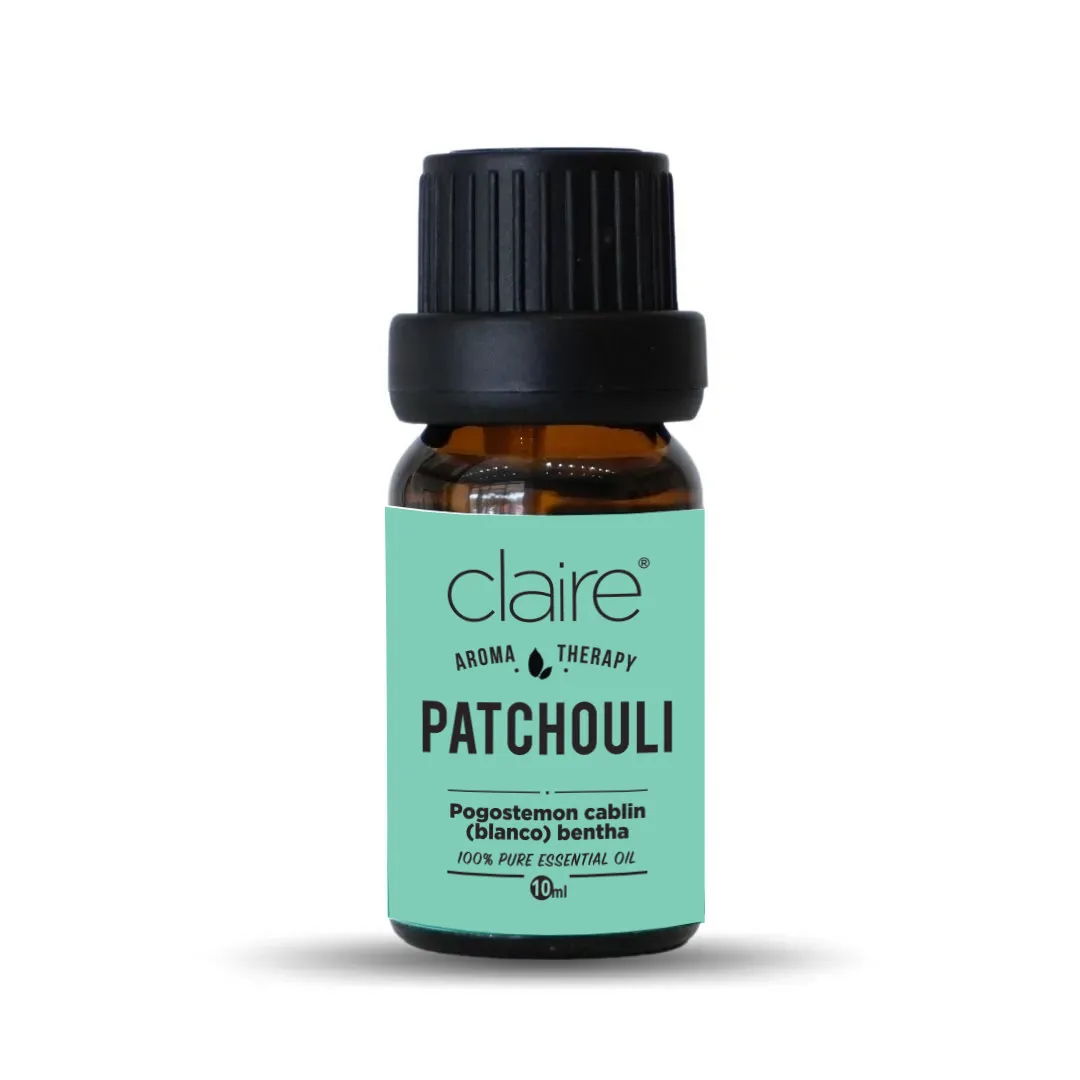
Patchouli Essential Oil is an essential oil extracted from the Pogostemon cablin plant, known for its unique fragrance and numerous benefits. Its aroma often carries earthy, woody, and sweet notes, making it highly favored by aromatherapy and skincare enthusiasts.
Benefits of Patchouli Essential Oil:
1. Promotes Relaxation and Reduces Stress
Patchouli essential oil has a calming effect, often used to alleviate anxiety, tension, and stress. Its aroma helps to soothe both the mind and body, making it ideal for meditation, deep breathing, or relaxation before sleep.
2. Skin Repair and Nourishment
It is known for its skin-healing properties, particularly for dry, rough, or damaged skin. Patchouli oil helps improve skin elasticity, promotes healing, and can reduce the appearance of scars and blemishes.
3. Anti-inflammatory and Antibacterial
With natural anti-inflammatory and antibacterial properties, Patchouli oil can help soothe minor wounds, cuts, and skin irritations, promoting faster healing.
4. Improves Sleep Quality
Due to its calming and relaxing effects, Patchouli essential oil is often used to improve sleep. It promotes deep, restful sleep and can be particularly helpful for those struggling with insomnia.
5. Balances Oil Production
Ideal for oily skin or scalp, Patchouli oil helps balance oil production, reducing greasy skin and preventing acne breakouts or oily scalp issues.
6. Mood and Emotional Balance
Patchouli essential oil is known to help elevate mood, reduce feelings of depression, and stabilize emotional fluctuations. It's often used in aromatherapy to regulate emotions naturally.
---------------------------------------------------------------------------------------------------------------------------------
ESSENTIAL OIL HOW-TO
1. DIFFUSE
Put a diffuser by your bed and diffuse oils while you sleep at night or in the family room while you're reading or winding down in the evening. Throughout the day, diffuse for work or study with oils that improves brain power or energy. This is also a good way to add the scent of an essential oil to a room.
2. INHALE
Clear your mind then inhale directly from an open bottle or rub a drop of oil between your palms and breathe in the aroma. Do as needed throughout the day. Several drops of essential oil are placed on a cotton ball or tissue and allowed to evaporate into the air.
3. SKIN APPLICATION
Besides your face and body, the most common places to apply oils are the bottoms of feet, chest, temple and pulse points. Combine 5 to 10 drops with a carrier oil like Jojoba, Avocado or Rosehips oil.
IMPORTANT: Just because it's from a plant doesn't mean it's safe to rub on your skin, or breathe, or eat, even if it's "pure." Natural substances can be irritating or cause allergic reactions. Like anything else you put on your skin, it's best to test a little bit on a small area and see how your skin responds.
4. BATHS
Add 6-10 drops of essential oil to bath water or use with sea salts or Carrier Oil for a soothing bath and moisturised skin.
5. MASSAGE
When you visit the massage centre, it's always a good idea to bring your own favourite oil! Or give yourself a massage at home for a good night sleep. Make your own massage oil by adding 20-25 drops diluted to 1/2 cup of Carrier Oil. Start by massaging the feet as it allows oils to quickly absorb into skin.
6. SPRAY
Add 6-10 drops of essential oil to water in a glass spray bottle, shake well before use. Spray into the air to deodorise a room or set a refreshing mood. You might also want to use a solution of water and your favourite essential oil as a yoga mat cleaner. Always shake well before use.
ESSENTIAL OIL SAFETY TIPS
- This guide is not meant as a substitute for medical advice. Definitely talk to your doctor for any medical condition!
- If you have easily irritated skin, try using essential oils with a carrier oil first. If redness occurs, apply carrier oil to the area to dilute the essential oil.
- Citrus oils can increase sun sensitivity so avoid sun for 12 hours after applying on skin.
- To retain their potency keep essential oils stored away from sunlight and moisture.
- Essential oils are extremely concentrated and can rub off nail polish and even melt plastic.
- Avoid plastic containers for storing essential oils. Stick to glass bottles.
- Oils, and carrier oils, can stain clothing, towels and furniture -so be careful!
- Avoid using metal or plastic utensils or containers to mix or apply essential oils. Stick to glass or ceramic.
- Always consult your doctor before using essential oils if you're on any medication prescription. Your doctor can make sure it's safe for you and rule out any side effects, like affecting your prescriptions.
- Don't use essential oils on a baby unless your pediatrician says it's OK.
- Keep all essential oils locked away out of children's sight and reach.
- Stop using essential oils if you notice a rash, little bumps, boils, or just itchy skin -- take a break, gently wash it off with water.
- Avoid essential oils if you're pregnant, include wormwood, rue, oak moss, Lavandula stoechas, camphor, parsley seed, clary sage, rosemary, and hyssop.*PRECAUTIONS: Keep out of reach of children. External use only. Avoid contact with eyes. If pregnant, nursing, taking medication, or have a medical condition, consult your physician. This product contains naturally derived ingredients, which in rare cases may cause sensitivity in certain individuals. Discontinue or consult doctors if sensitivity or irritation occurs. Skin patch test is highly recommended especially for first time user. Discontinue use if rancidity or discoloration occurs. Store in cool, dry place.*
Customer comments
| Author/Date | Rating | Comment |
|---|